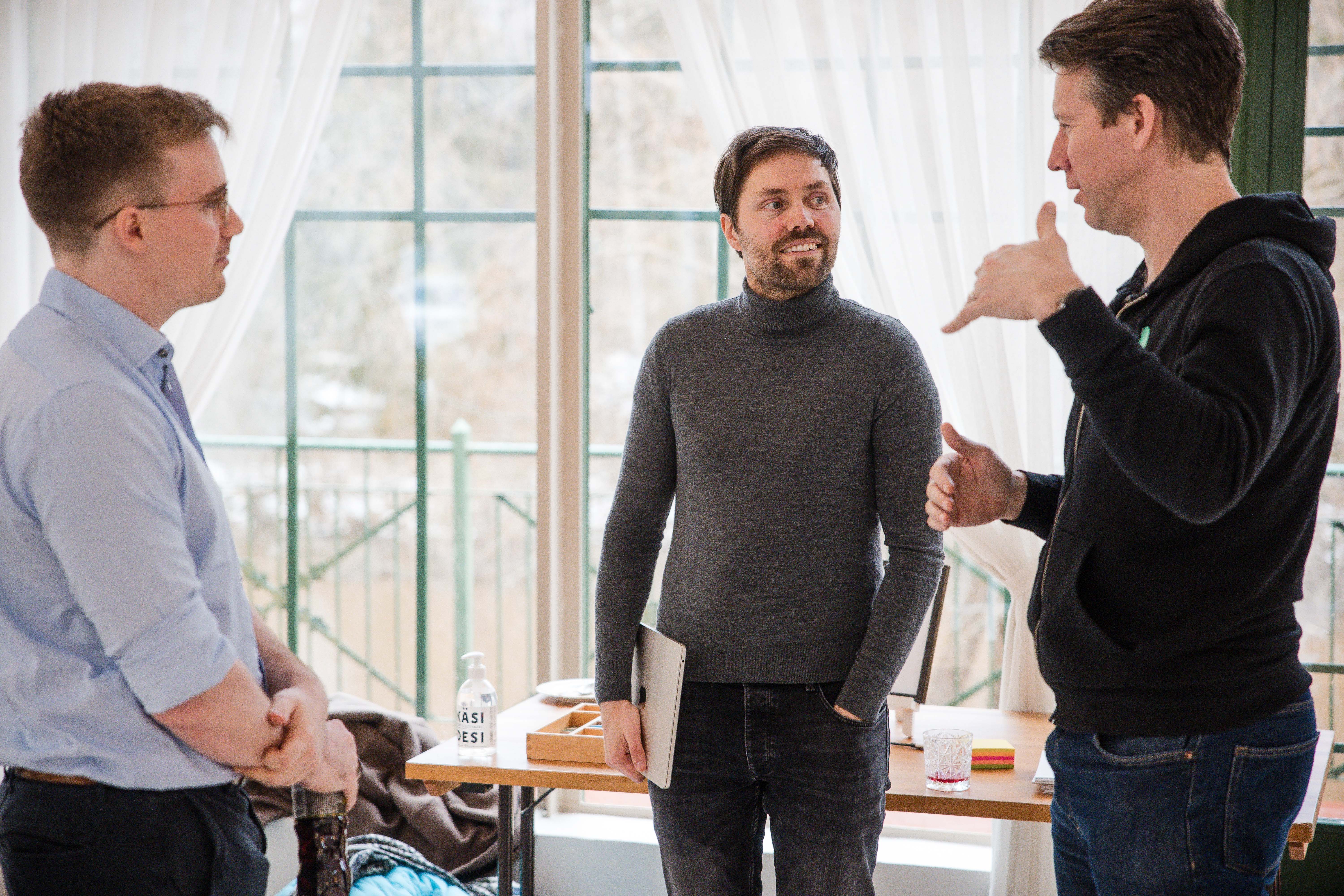
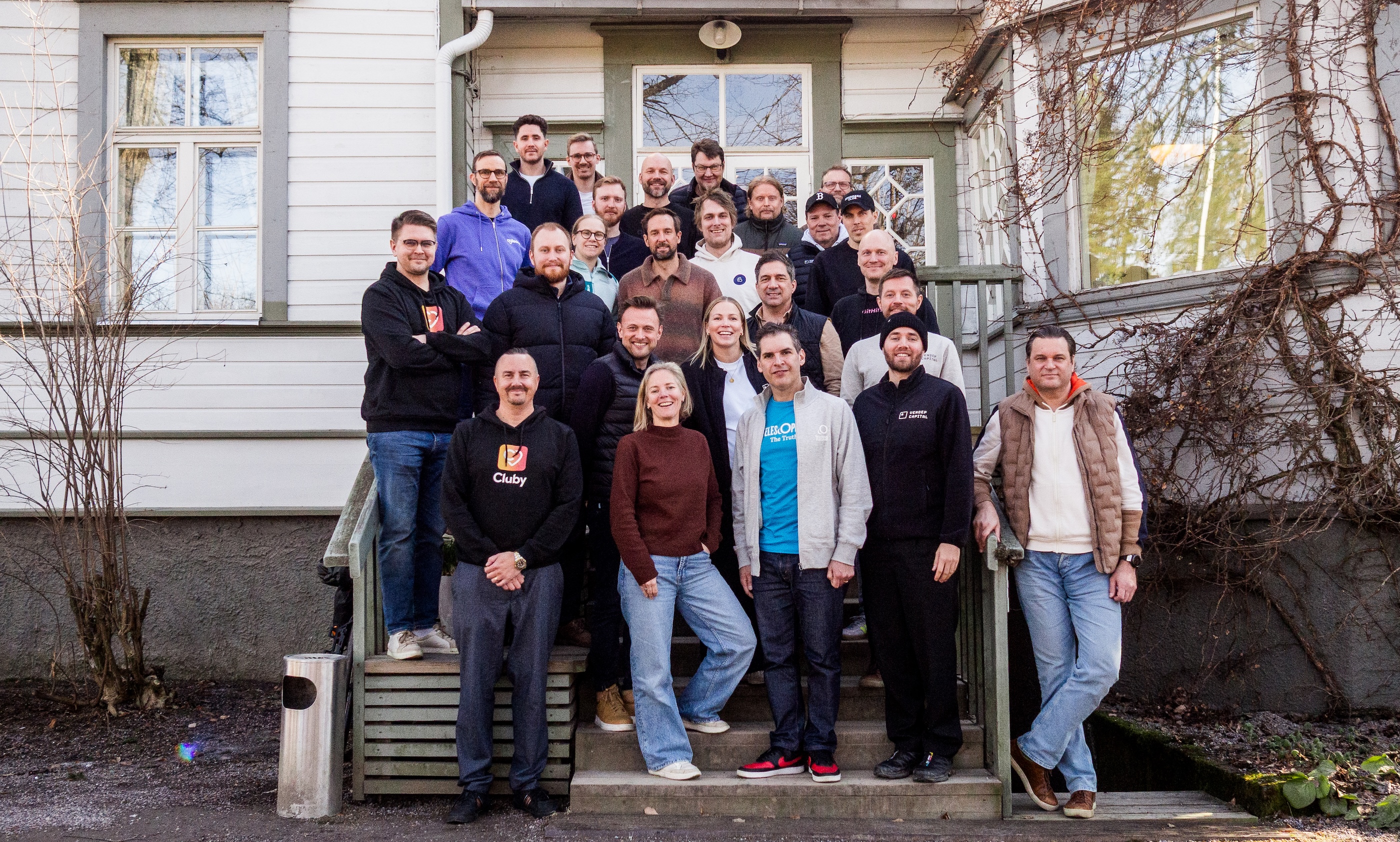
As a specialist VC, we have one real luxury: the companies in our portfolio can share on an extremely tactical level.
That means there is no case for a fun surf camp in Portugal when it comes to portfolio gatherings. The point is to build a platform where B2B SaaS founders can share experiments, hard lessons and things they would never say on a public panel.
Hosting our annual Portfolio Retreat is the highlight of my year, and I take the responsibility seriously. Stealing almost two days from people who are building companies is not a small ask. It has to earn that time back.
This was our third Portfolio Retreat, back at Krapi in Tuusula for the second time. Same historic farm buildings, same smoke sauna, very different conversations from a year ago.
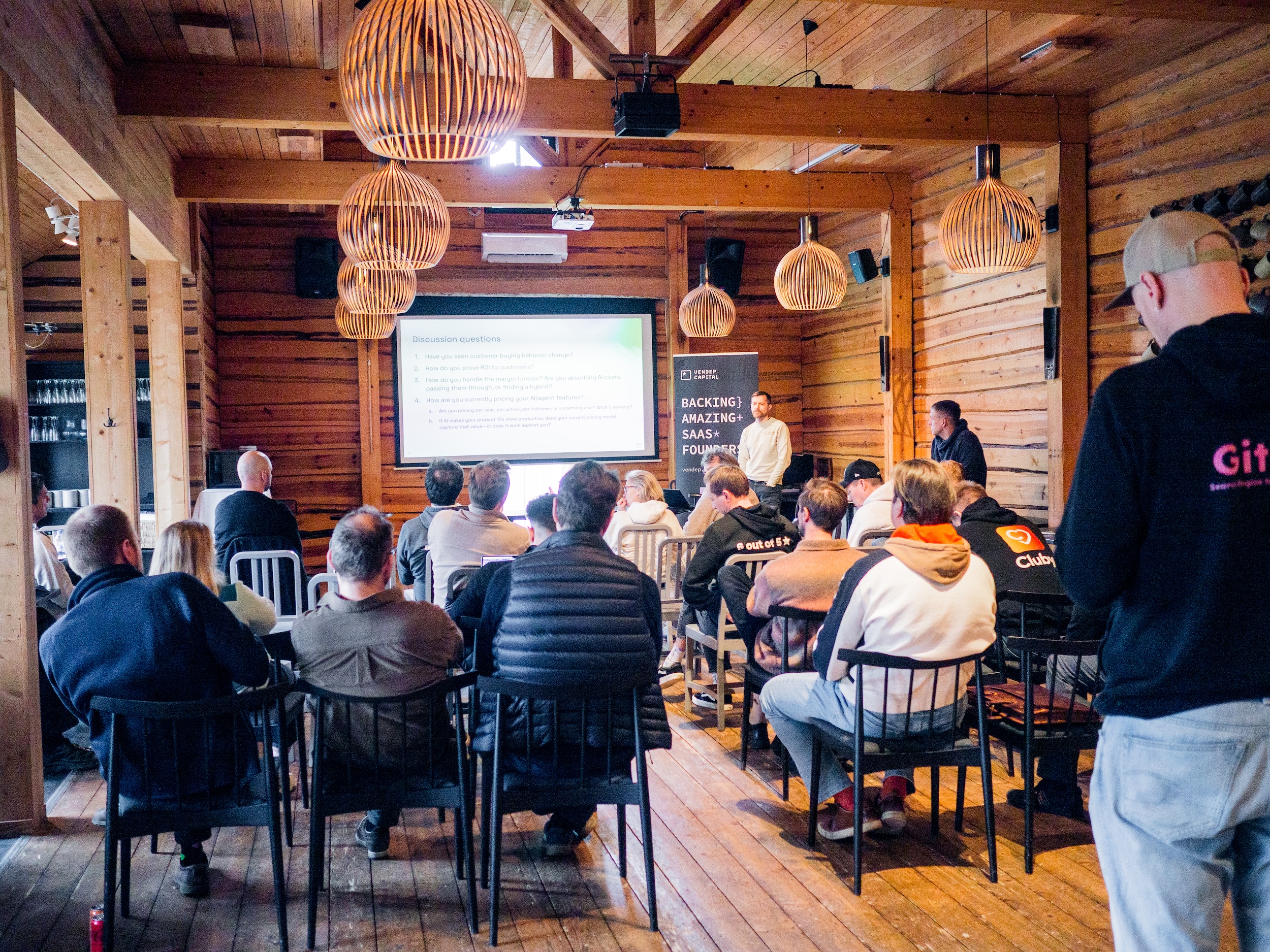
Day one of the retreat, we opened with a question circling founder and investor circles for a while: is SaaS dead? The short answer is no. The honest answer is that the ground is shifting fast enough that the question deserves to be taken seriously.
Two things stood out. Seat-based pricing is under structural pressure, and founders need to start thinking now about consumption or outcome-based models even if the full transition is still years away. And the budget pool has shifted:
"We are not just competing for additional IT budgets anymore. We are competing for labour budgets."
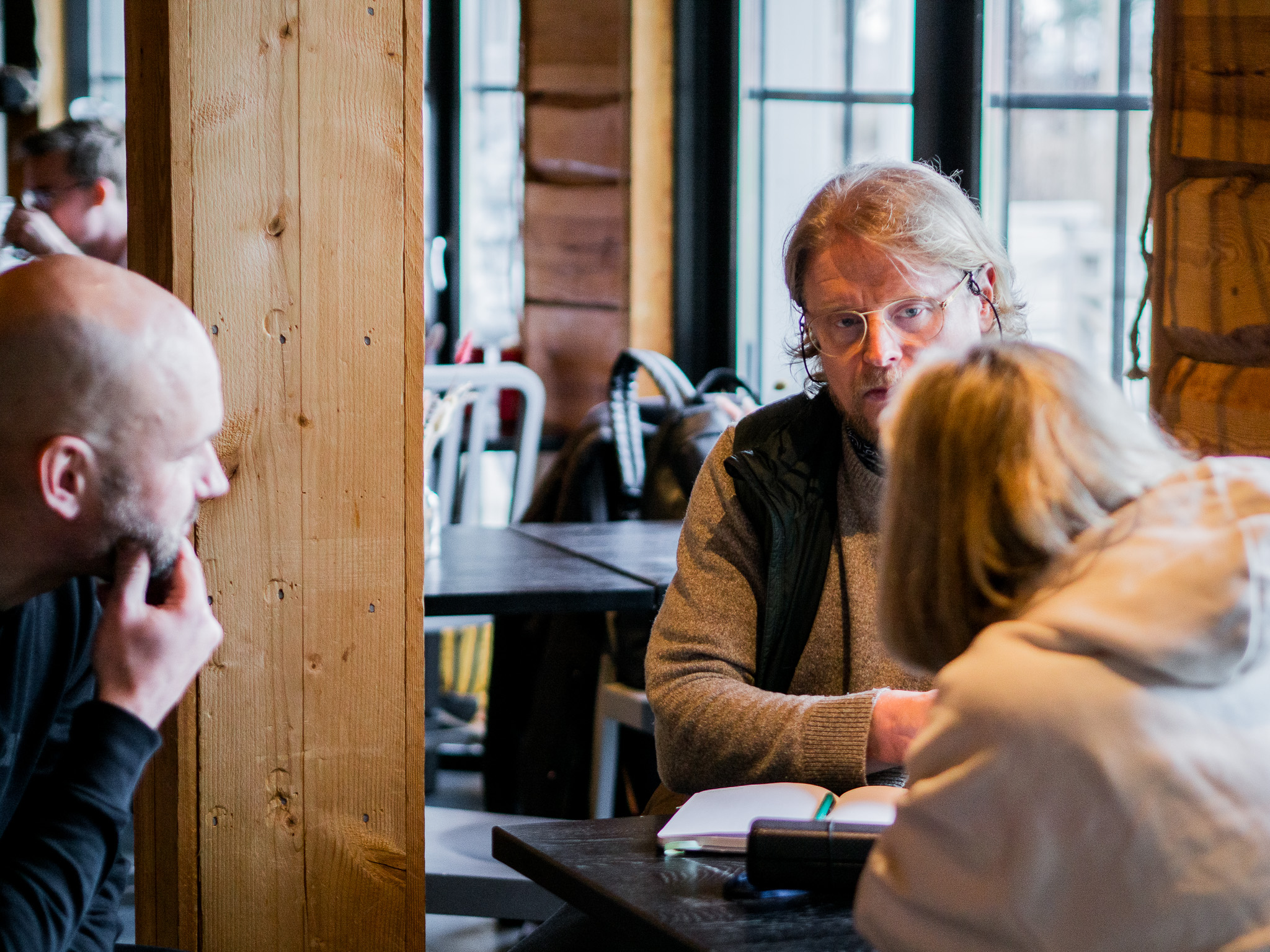
From there the day moved through AI strategy, pricing models and what it actually looks like to make agentic AI part of everyone's daily work. On pricing, the room agreed that bundling AI into core plans drives far higher adoption than optional add-ons, and that the path to outcome-based models is a transition, not a switch.
On internal AI adoption, the framing from one founder was direct: "If you cannot solve a task with agentic AI, anything that doesn't require a physical presence or a live video call, it is a skill issue." This is now a leadership responsibility, not an engineering one. Their proof point was that they've grown almost 4x in the number of customers they serve without making a single hire.
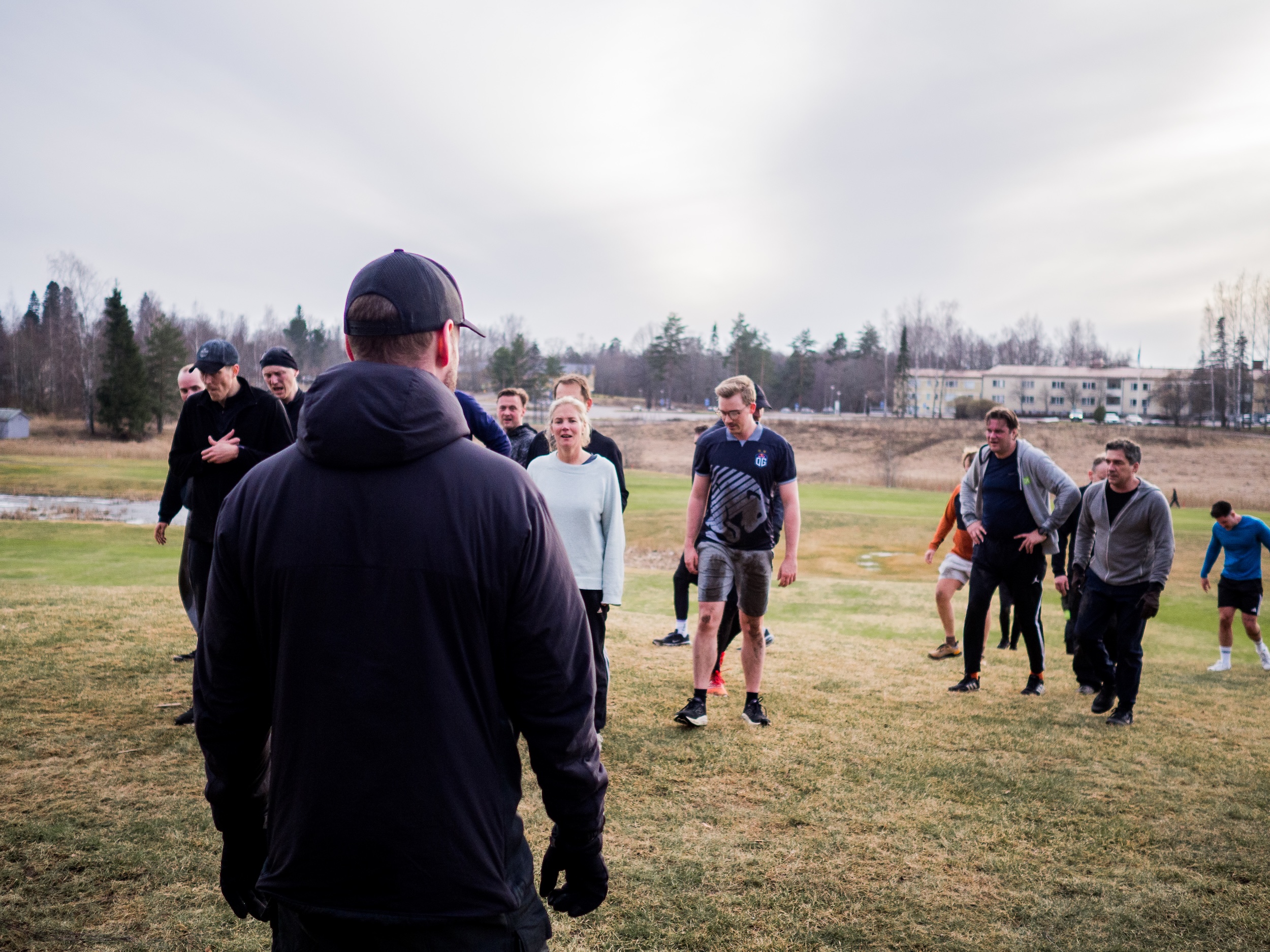
After an intense afternoon full of thought-provoking content, Robin Hendry, one of the trainers behind the Finnish version of SAS Who Dares Wins, put the group through a workout that left everyone exhausted and briefly questioning their life choices. Nobody puked, but it seemed close for a few...
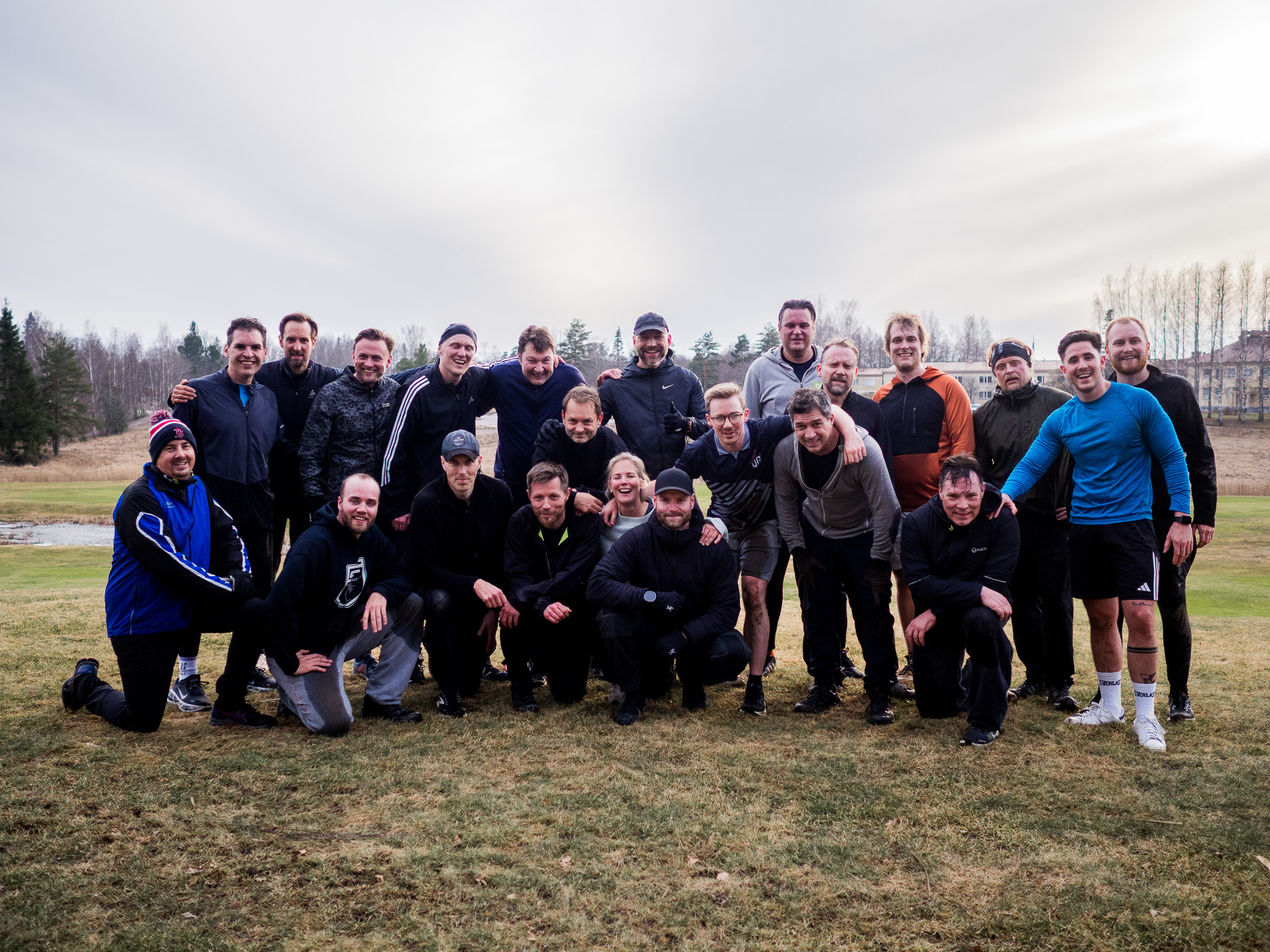
After the tough workout, the traditional smoke sauna and ice plunging at Tuusulanjärvi made the whole thing feel worth it. Several people who had firmly stated they would not be getting into the cold water changed their minds once they were standing next to it and maybe had a bit of peer pressure. Dinner and drinks followed, and some of the best conversations of the whole retreat happened there.
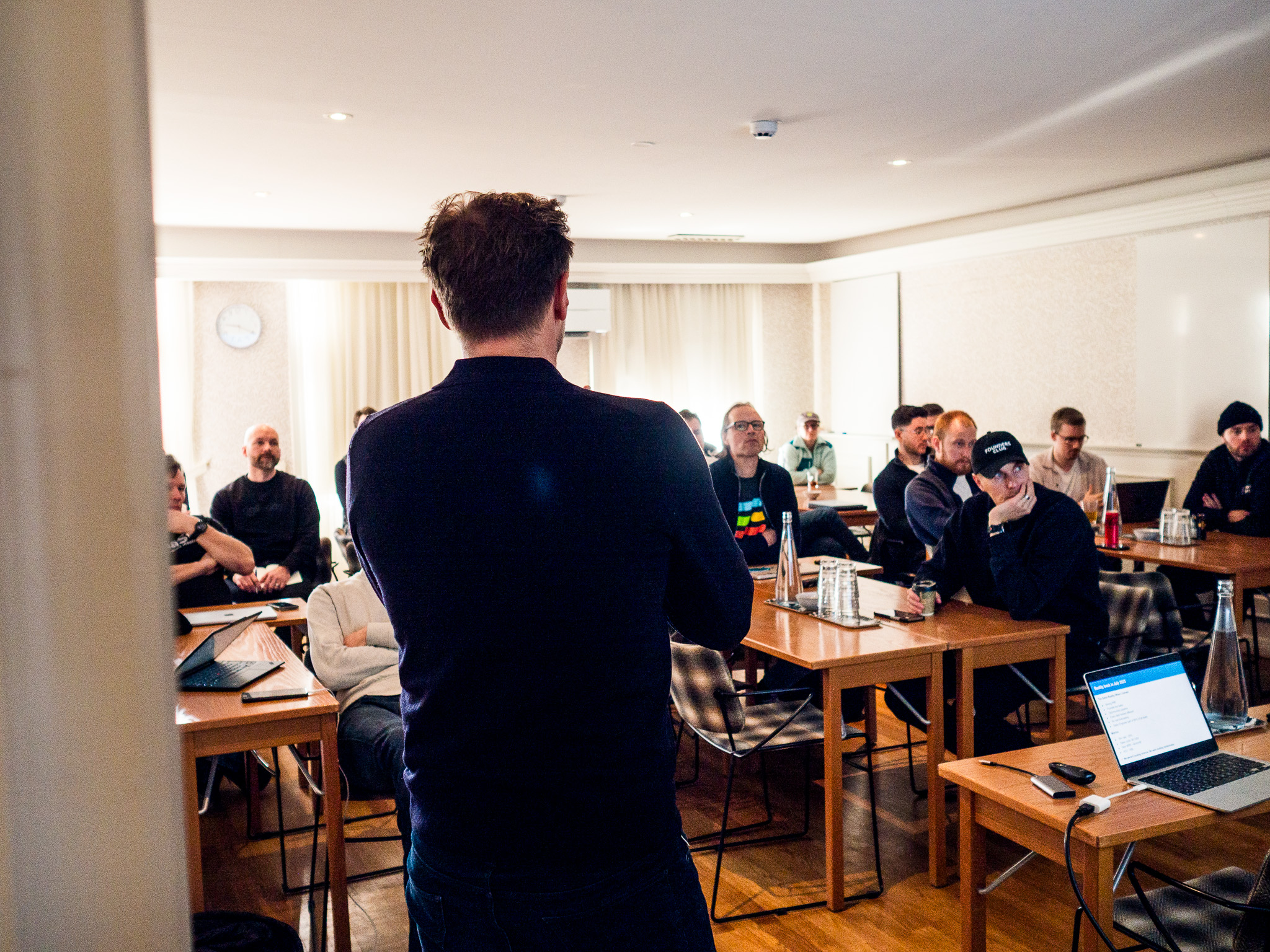
Day two had a different energy. One of our portfolio companies walked through how they redesigned their sales organisation to cut the sales cycle in half. The core lesson: narrowing the ICP aggressively, even at the cost of some short-term deals, is a growth lever. "Clean pipeline is faster growth. We don't want deals where everything slows down."
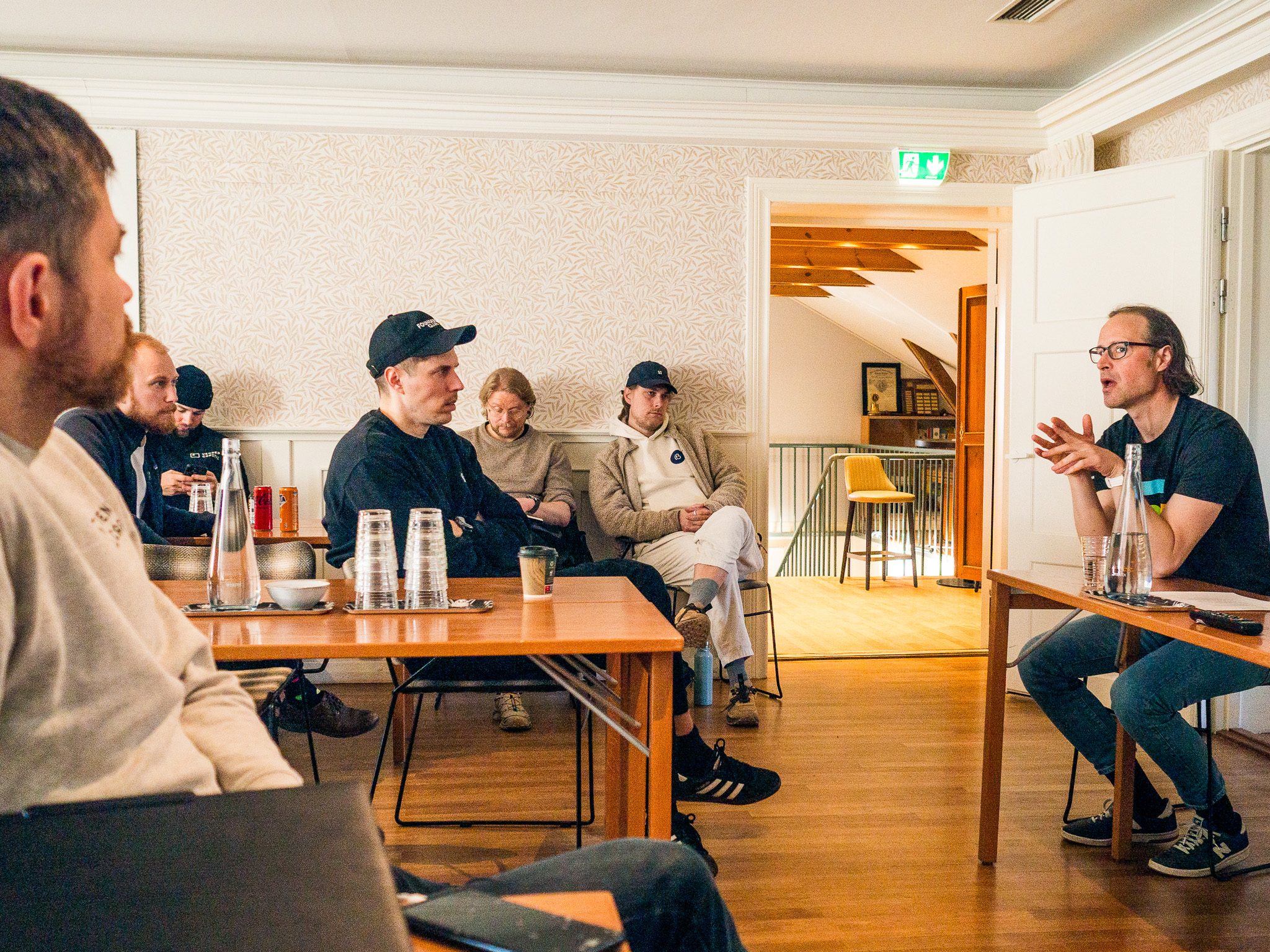
We also had a visiting founder outside our portfolio. Zach Shelby, CEO and co-founder of Edge Impulse, gave us a lengthy AMA that ranged from early fundraising to exit mechanics to how he thinks about the AI market today. It was one of those sessions that feels both inspiring and immediately actionable, which is a rare combination. A lot of it came back to one idea: commit to a presence that is bigger than your current reality. Publish, partner, speak, show up. "We acted like we were a 500-person company. We were 20. Everybody's first comment was always: we thought you were a lot bigger." The acquisition was a consequence of that, not the goal.
Agileday then closed the main sessions with the "behind the scenes" story of how they closed their €6.4M Series A in January.
The afternoon broke into group discussions on GTM, AI tools in daily work, and product and engineering. A few things that came out of those rooms: "AI-generated content is so easy to spot. It's worse than doing nothing." And from the engineering discussion: "Design becomes more of a moat, not less, because 80% of AI-generated products all look the same."
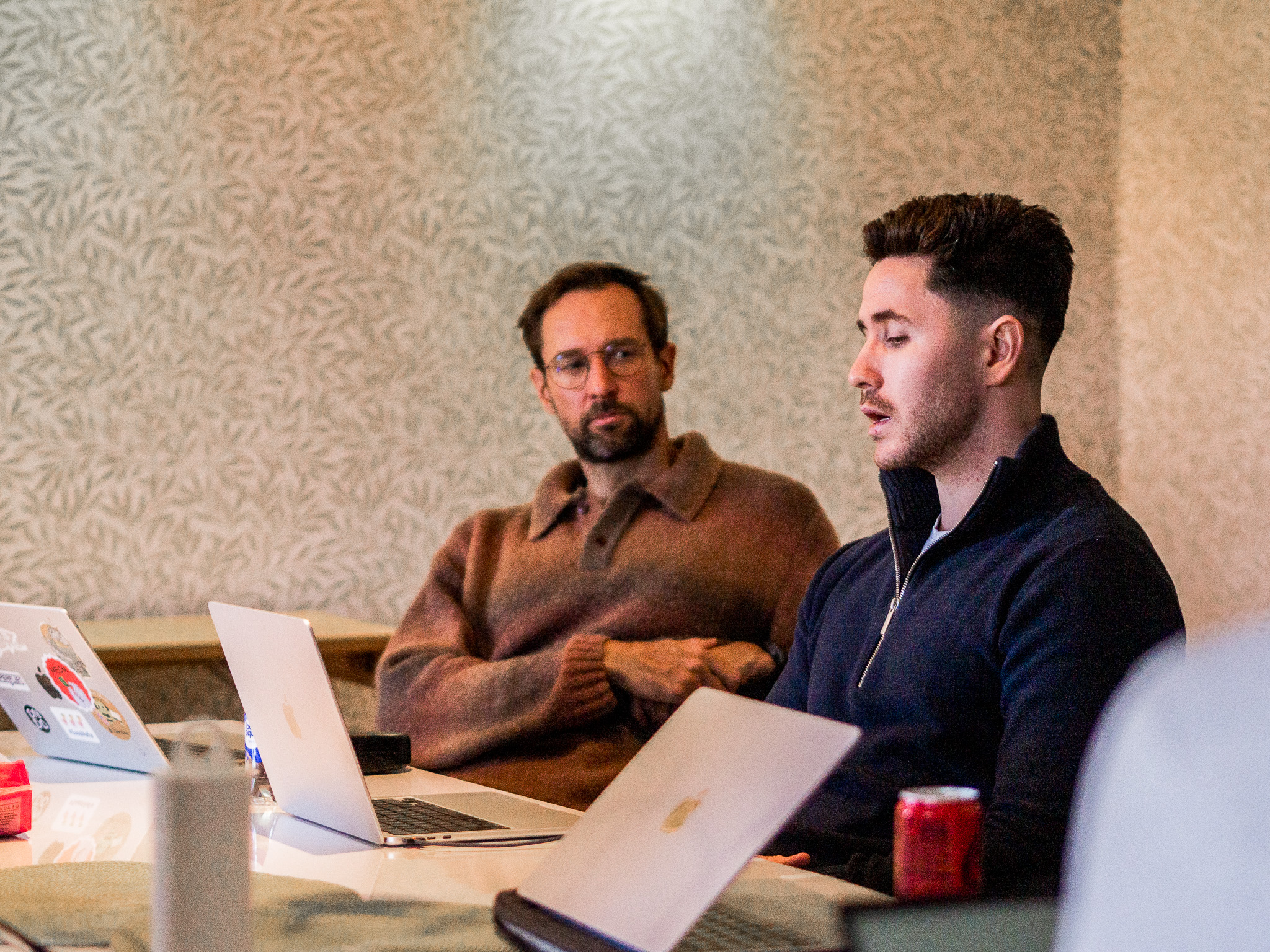
The thing that makes this event useful is not the agenda. It is the people in the room choosing to show up with honesty. The sessions that land hardest are always the ones where someone shares not just what worked, but what they got wrong and what they are still figuring out. That only happens if there is enough trust in the room to make it feel safe.
Next year will be the fourth time we do this. The questions will be different. And if the pace of the last twelve months is anything to go by, what felt like a sharp take now might look quite different by then. One person summed it up better than I could:
"I think it would be fun to keep a mental diary. March 2026: this is what we thought. Read it six months later and think: what a naive take."